Every test prep company puts a number on the wall. Ours is +150 points average on the SAT.
You should discount that number. Everyone’s is impressive, and you have no way to audit any of them.
So here’s the mechanism instead. Judge that.
Two students, forty hours each
Same starting score. Same effort. Same amount of time.
Student A works through a prep book front to back. Every chapter gets roughly equal attention, because that’s what “being thorough” looks like.
Student B spends the first ninety minutes finding out which specific question types are costing the most points, then spends the remaining thirty-eight hours on those.
They do not finish in the same place. It isn’t close.
Why “study everything” quietly fails
A prep book has no idea what you already know.
So an even pass across it spends most of its time on material you had already mastered. That time isn’t wasted in the sense of being idle — it’s just not buying points. You already had those points.
Meanwhile the four or five things genuinely costing you get the same slice as everything else. One-twentieth of your attention each.
That’s the whole reason a real effort can produce a disappointing score.
Ranking gaps by what they cost
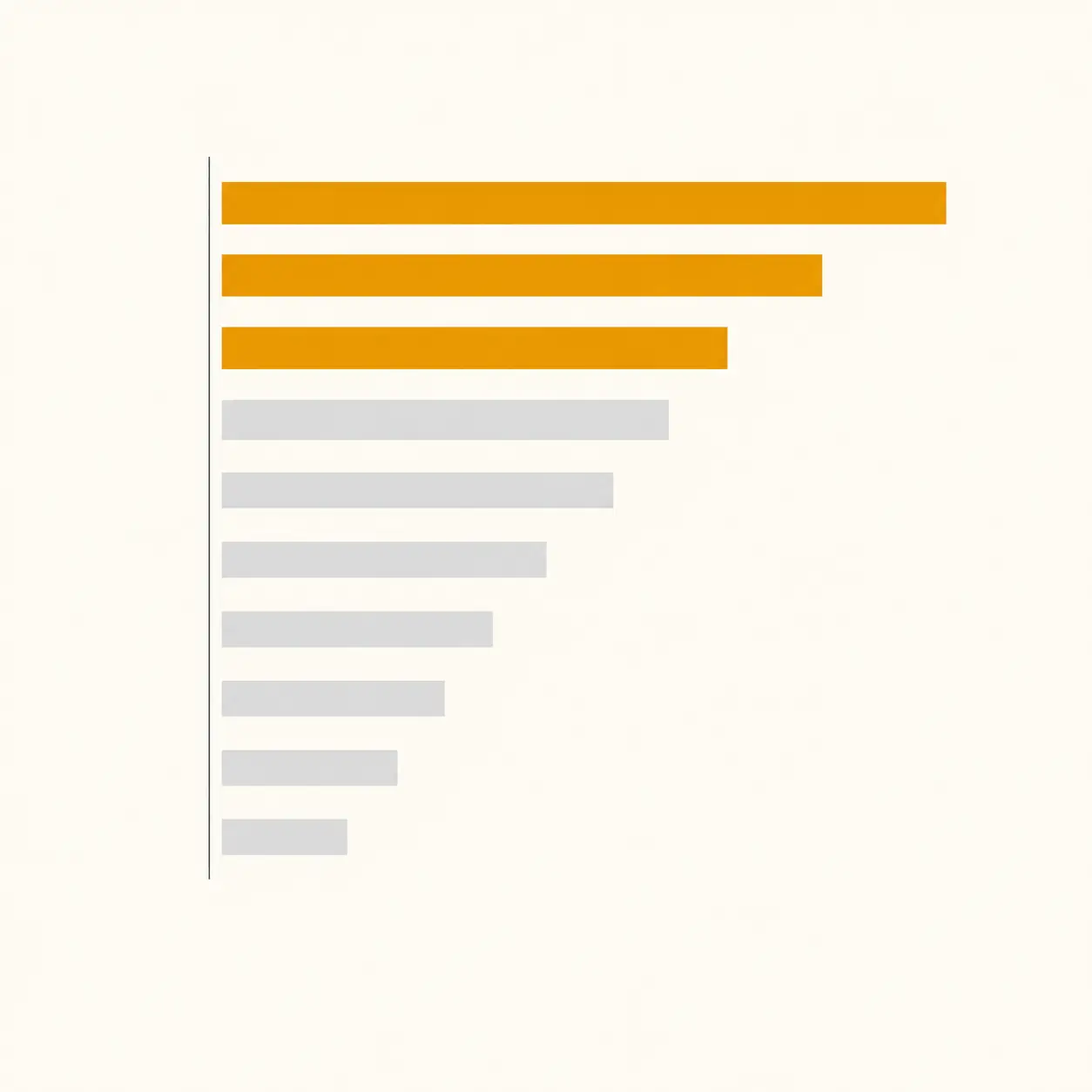
Our diagnostic runs across 47 data points and sorts them by a single question: how many points is this gap costing this student?
Not “what did they get wrong” — what is expensive. Those are different lists. A question type you miss half the time but that appears twice on the test matters less than one you miss a third of the time that appears nine times.
The ranked list is the Blueprint. The plan starts at the top and works down.
Then a human takes it from there
The diagnostic tells you where. It doesn’t teach.
That’s the tutor’s job — and because they read the Blueprint before the first session, they aren’t spending your first three sessions figuring out what a diagnostic could have told them in ninety minutes.
The honest summary
Same student. Same hours. Different order.
That’s most of where +150 comes from. Not a secret method, not more grinding — just spending your existing effort on the things that are actually expensive.
Ask any prep service how they decide what your child studies first. The answer tells you most of what you need to know.